Sound of Ikebana

by Sanae Ono

Sound of ikebana

Sound of ikebana

Art × Fashion × Dance

DESCRIPTION

Art-Inspired Fashion meets Dance, New York Fashion Week

“Sound of Ikebana: Four Seasons” by Prof. Naoko Tosa (Kyoto University) – a fashion and dance performance structured around the four seasons of Japan.

February 9, 2026 at Japan Society, New York

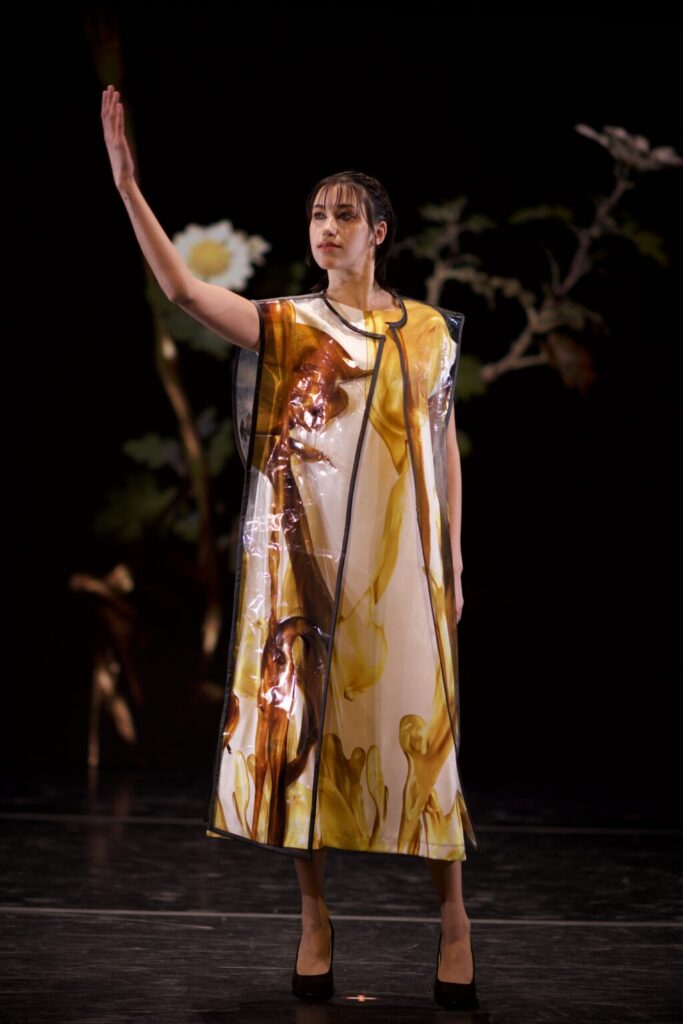
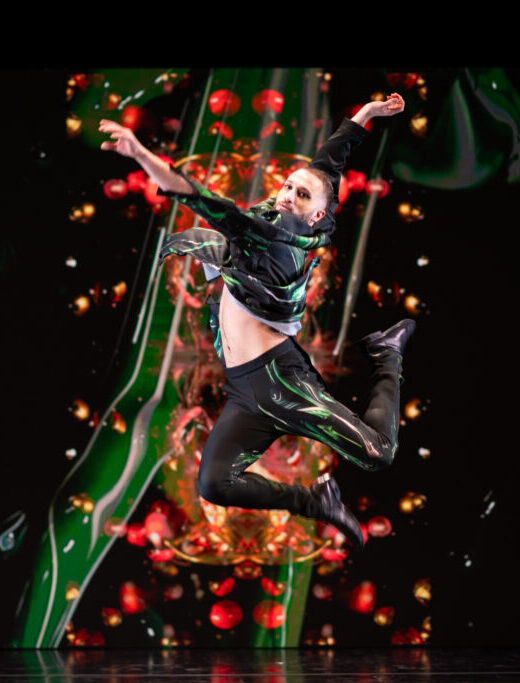
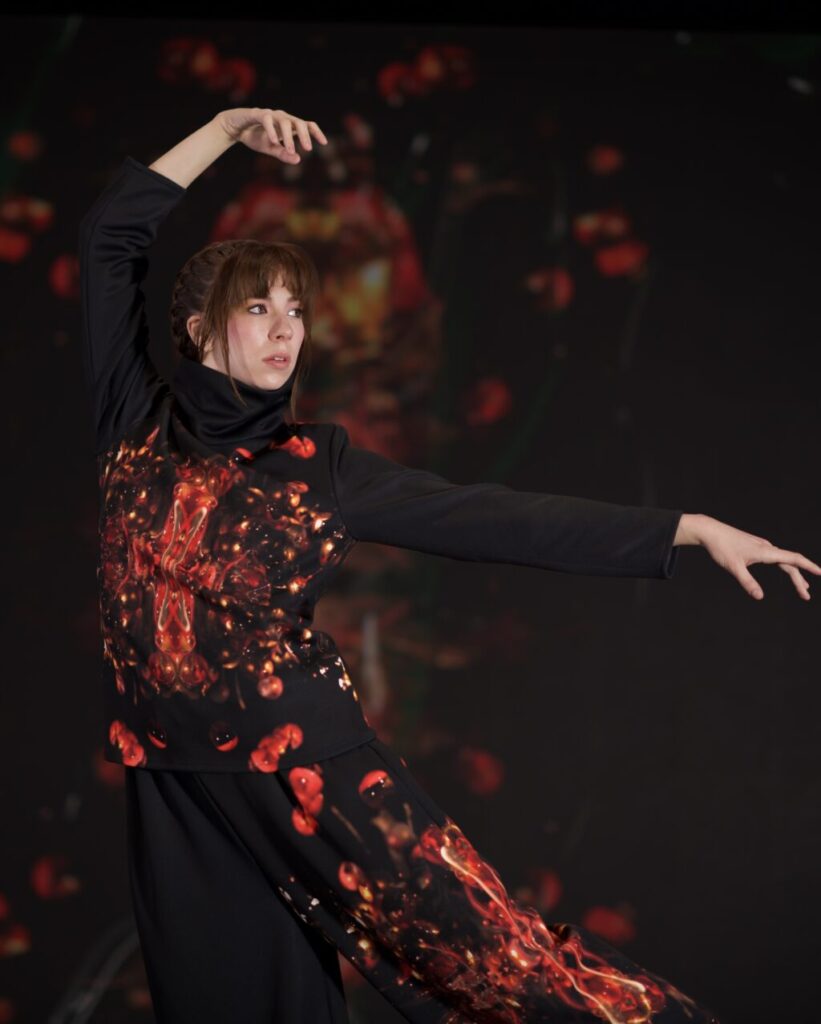
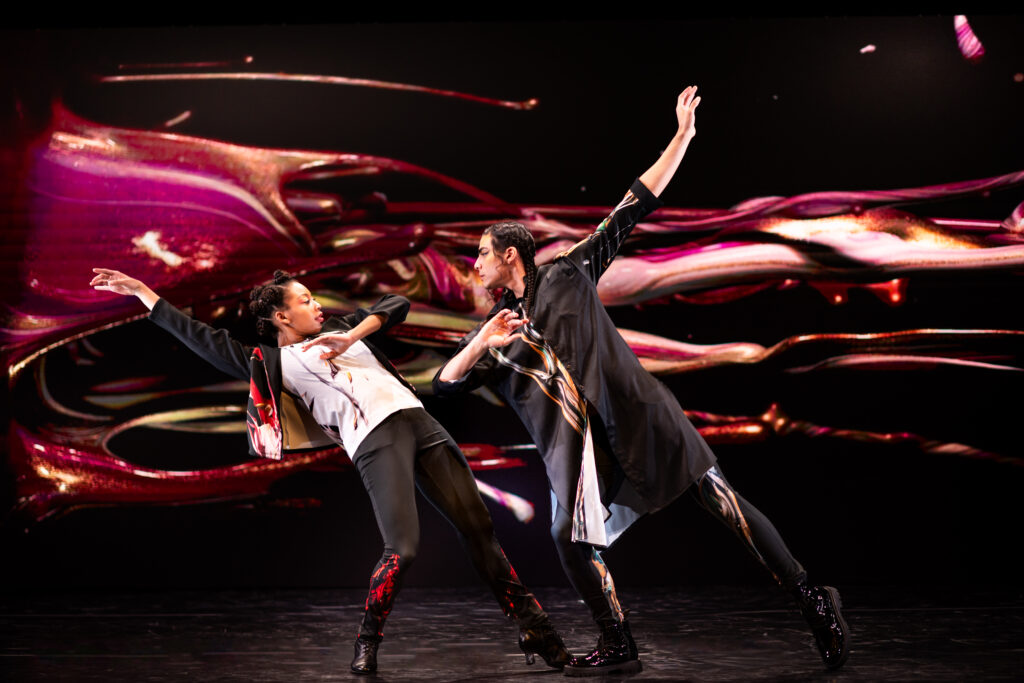
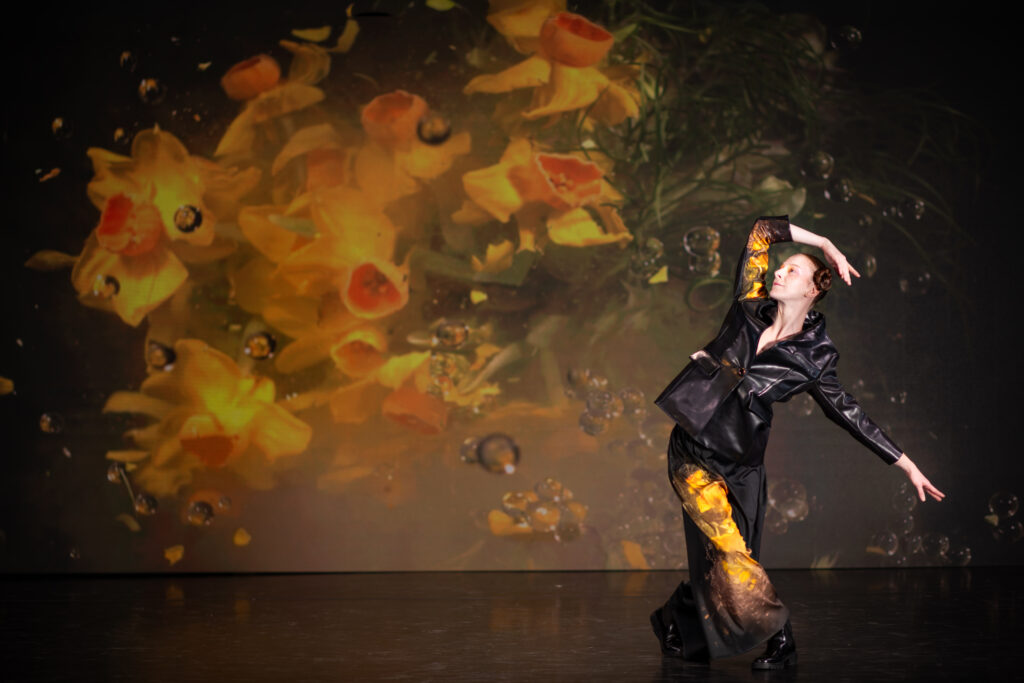
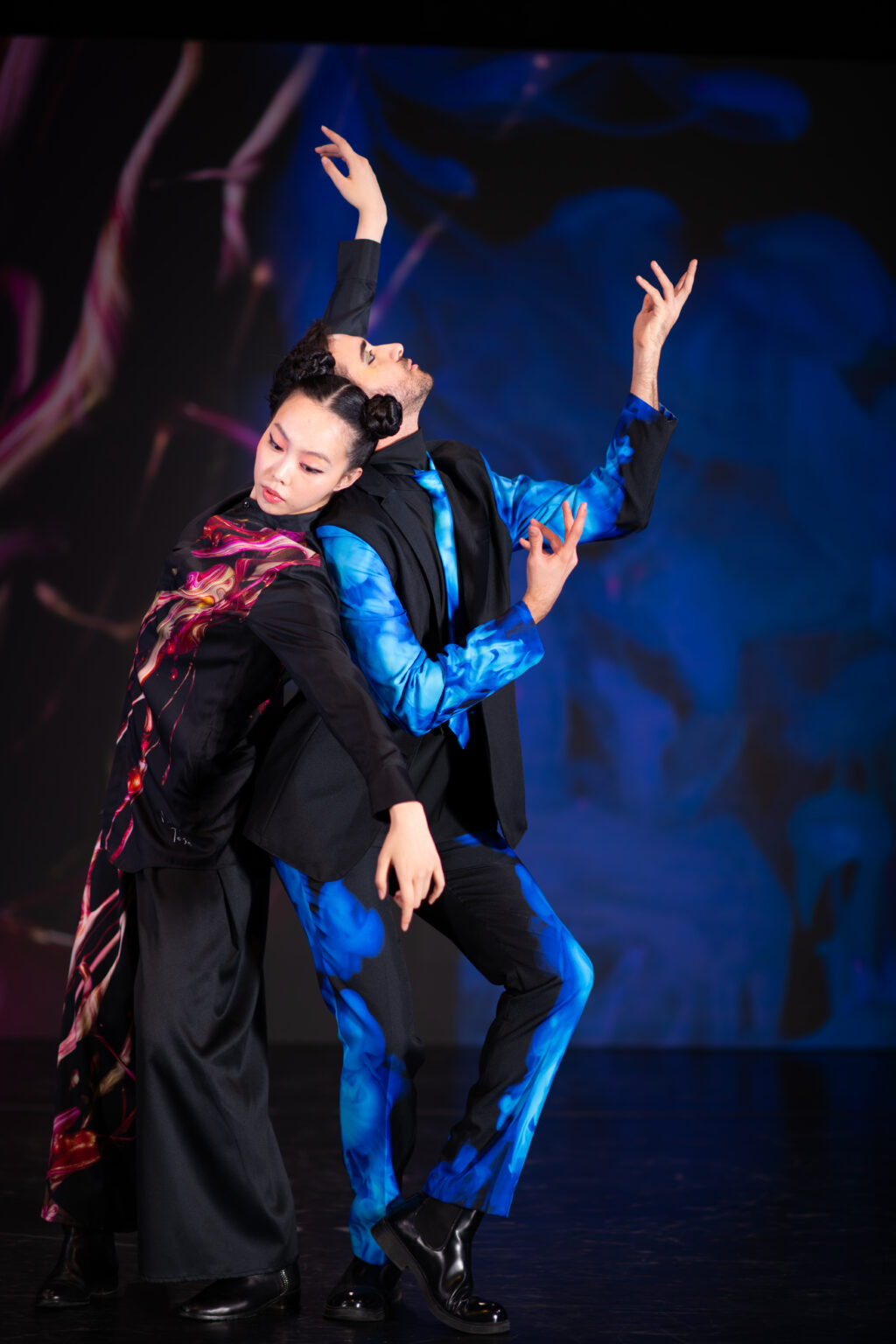
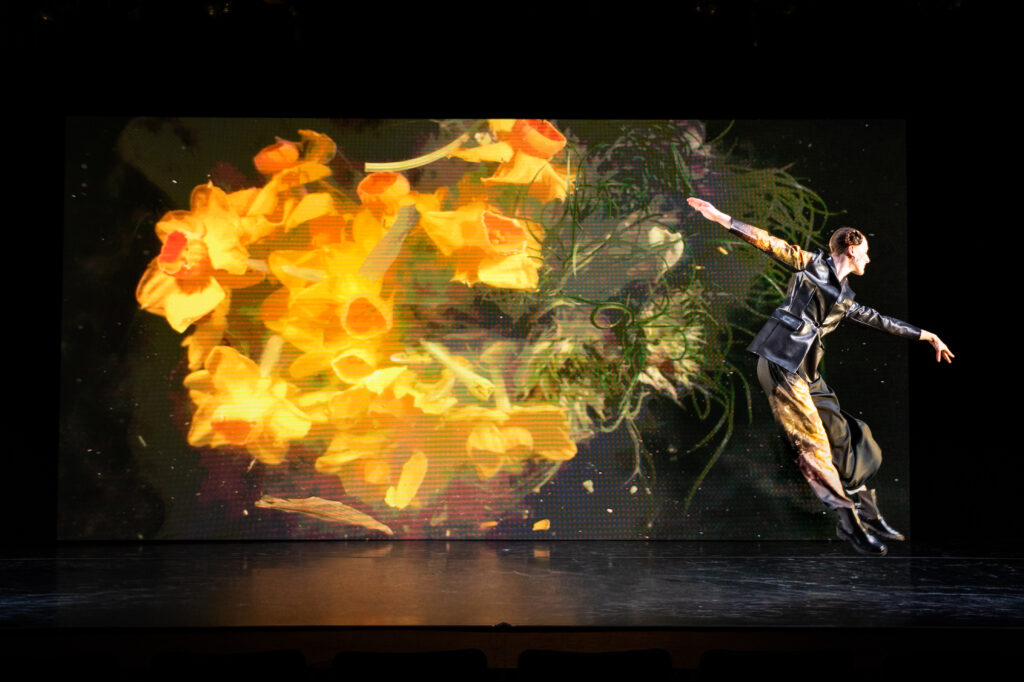
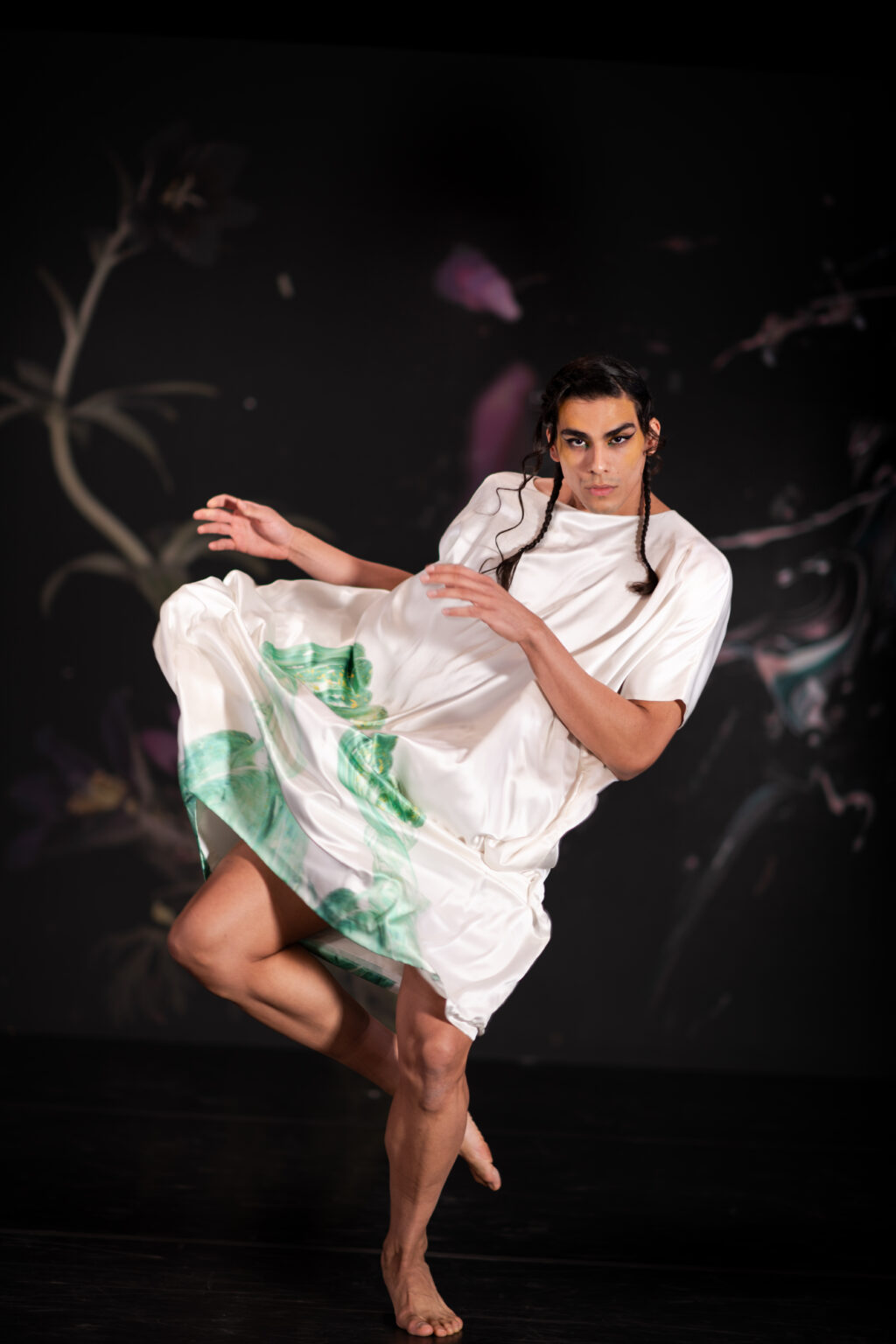
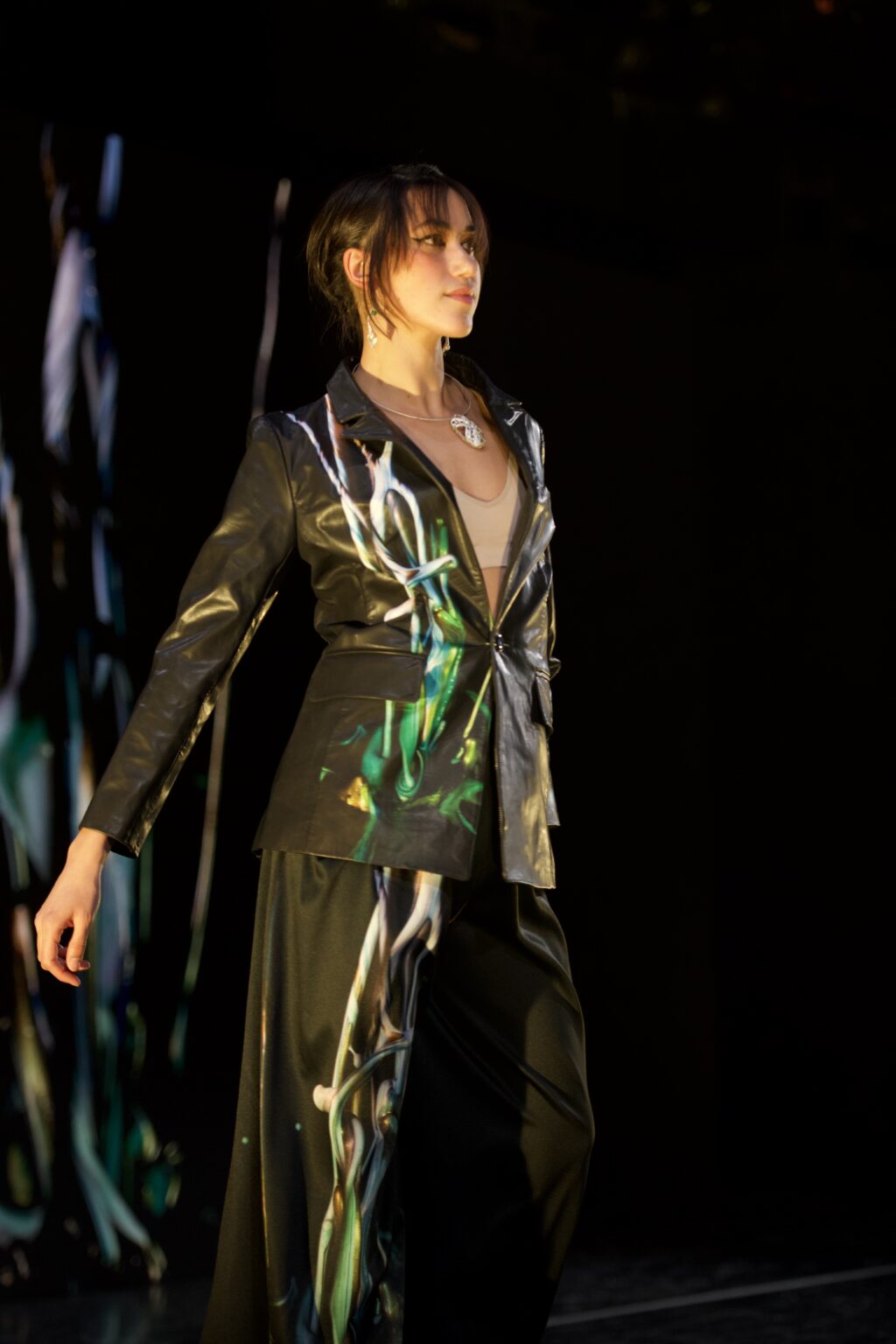
Featuring the world’s first Animation Dress, created through the fusion of body, LED, and strobe, where nature, science, and Japanese aesthetics come alive in motion.

This one-night performance brings together digital art, Japanese and Western cultural references, and contemporary dance to express the beauty of the seasons:

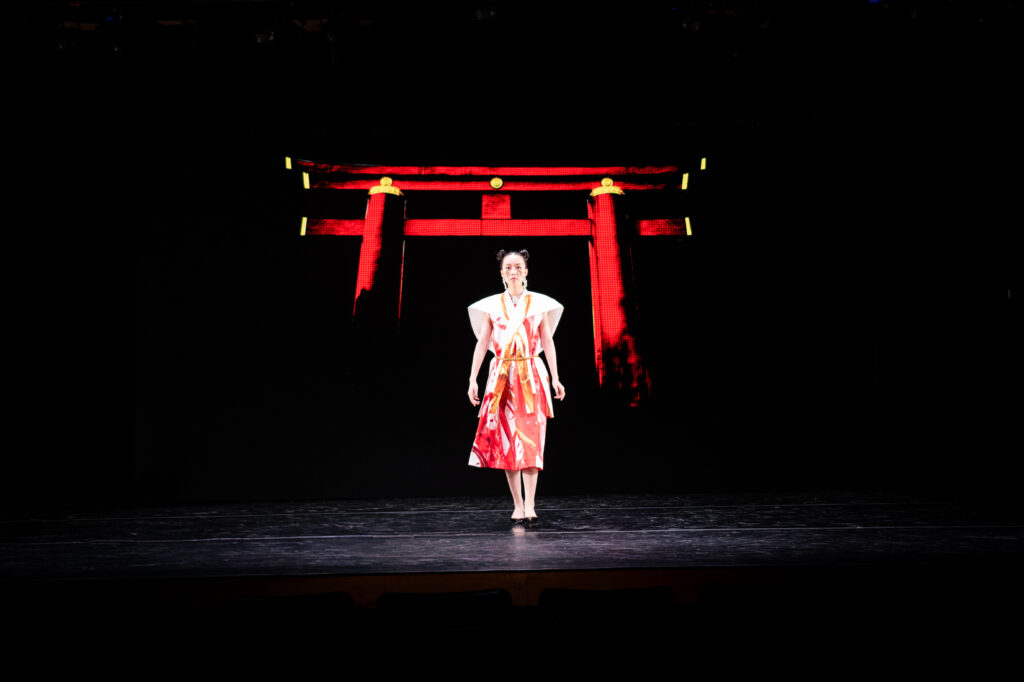
from the radiance of spring blossoms, to summer prayers for ancestors, autumn harvest celebrations, and winter memories of battle and peace.

A multidisciplinary fashion show and performance where technology, movement, and visual art intersect, revealing how traditional Japanese seasonal sensibilities resonate across cultures.

NY Fashion Week

Cast & Crew

Naoko Tosa

Director & Designer

Sara Pizzi

Choreographer & Stage manager

Aika Takeshima

Choreographer & Stage manager

Models/Dancers

Cesar Renato Amorim de Assis
Macee Eppard
Emanuele Fiore
Aviana Goodman-Fish
Jonathan Colafrancesco
Gabriella Alleyne
Vanessa Martínez de Baños
Shuning Huang
Madeline Kuhlke
Tori Hey
Review

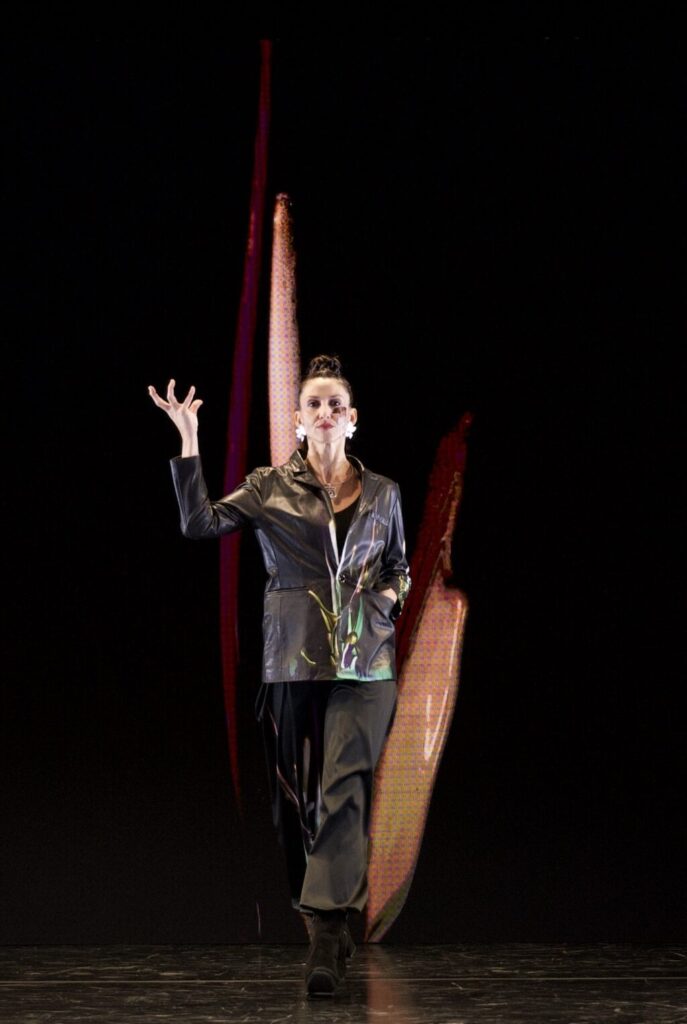
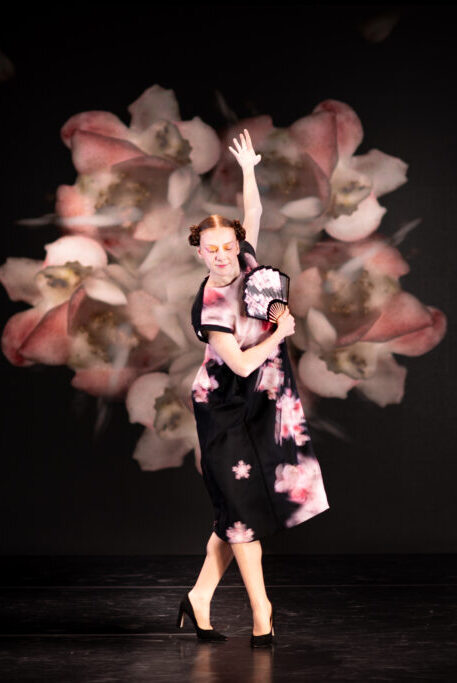
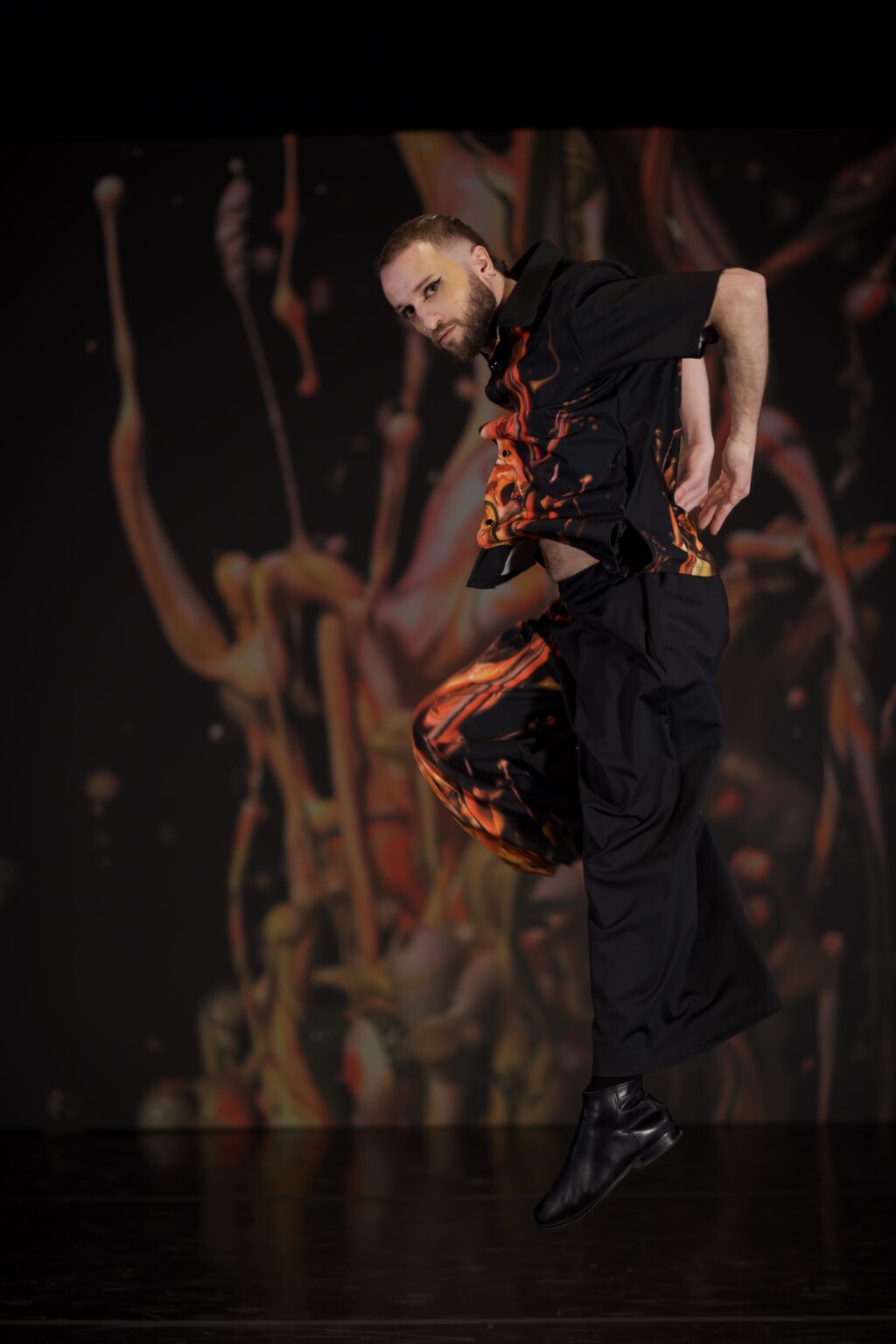
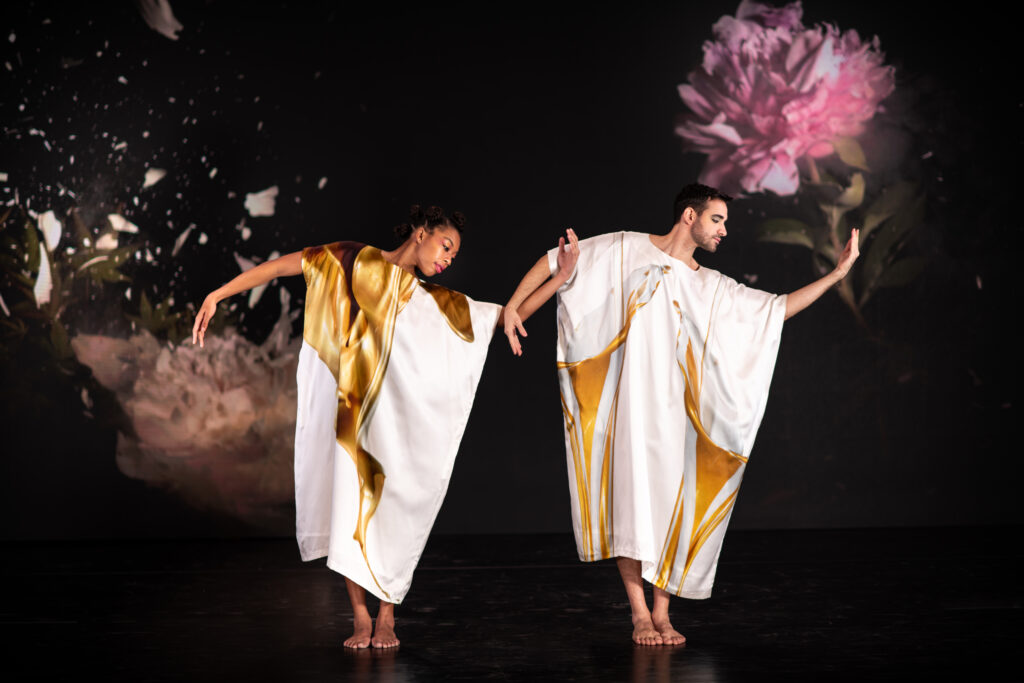
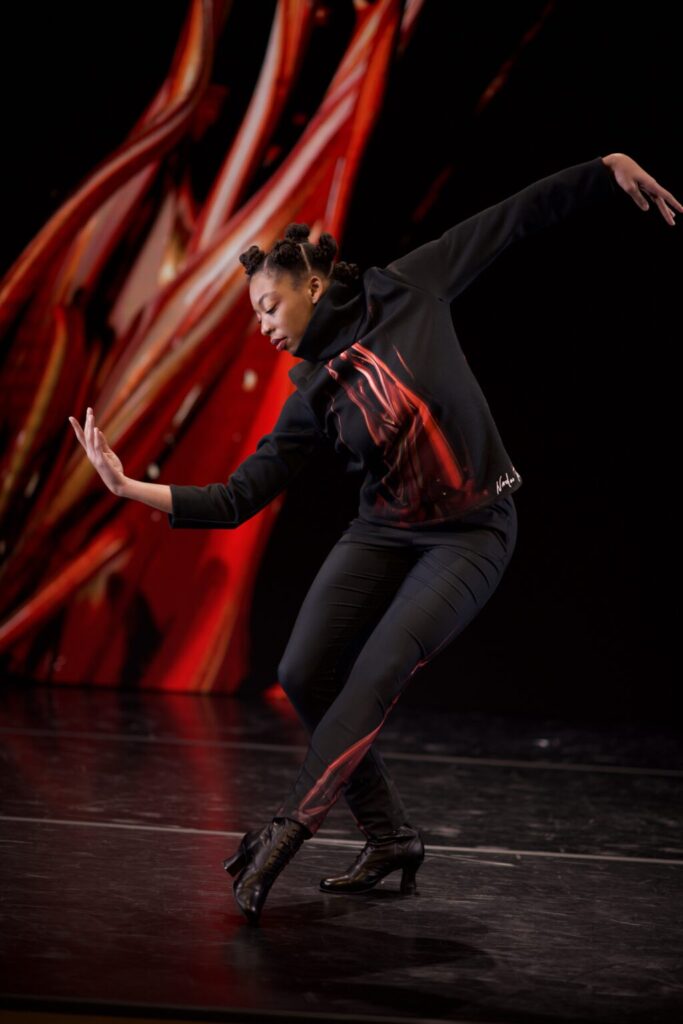
**Sound of Ikebana** At Japan Society in New York, on February 9, 2026, a fashion show titled *Sound of Ikebana* was presented by Naoko Tosa, an artist based in Kyoto and New York. Unlike conventional runway shows where models walk in a straight line, this production unfolded on a theater stage, where models moved from left to right while performing a range of actions, transforming the event into a distinctive work of performance art. Sustaining the audience’s attention for 50 minutes with a fashion show alone is no easy task. To address this, the presentation was structured into four acts themed around the seasons: spring, filled with vibrant greenery and blossoms; summer, lively with festival energy; autumn, evoking harvest celebrations with colorful dresses swirling dynamically; and winter, incorporating a scene from *The Tale of the Heike* (“Atsumori”). Through this diversity of themes, the work challenged the sensibilities of art-savvy New Yorkers. Since the 1980s, Tosa has explored digital art using computers. In recent years at Kyoto University, she has focused on her *Sound of Ikebana* project, in which various sound sources—including the cries of newborn babies—are translated into the movement of paint placed on speakers and captured with high-speed cameras. From tens of thousands of images documenting these fleeting, irreproducible moments of fluid beauty, she selected and printed them onto lustrous synthetic fabrics resembling silk. These were then tailored into a wide range of garments, including long jackets, pants, and dresses. The upward-splashing forms of paint resembled flowers, giving rise to the name “Ikebana.” The stage backdrop featured video projections of paint bursting and leaping, and when models wearing kimono printed with still images from these visuals stood before them, a resonant, almost déjà vu-like correspondence emerged. Rather than conventional models, the performers were dancers with ballet training. The choreography also brought a fresh perspective: the spring and summer sections were created by sarAika movement collective, known for transcending gender boundaries, while the winter section—highlighted by sword-based movement—was choreographed by Tatenami Hatō-ryū NY. Hair, makeup, and costumes all emphasized a genderless aesthetic, which likely resonated strongly with contemporary sensibilities. This unprecedented fashion show—combining videos that visualize sound, garments derived from those images, contemporary dance, period-style sword choreography, and music spanning cultures and genres—points toward exciting possibilities for future developments.
Midori Yumoto
Art Historian based in New York
Japan Society is located just steps away from the United Nations Headquarters, where I work, and I have attended various events there as a member over the years. However, this may have been the first time a fashion show was presented at the venue. On the day of the event, the program was divided into four segments based on Japan’s four seasons—spring, summer, autumn, and winter—through which Naoko Tosa’s works were introduced. As Japan Society’s membership largely consists of non-Japanese individuals with a strong interest in Japanese culture, the event featured beautifully produced visual presentations of Japan’s cultural elements. These were seamlessly integrated with Tosa’s artistic world, making the program highly meaningful as a cultural event. While Tosa’s work is known for its cutting-edge fusion of technology and art, what stood out in this show was the originality of the textiles and the elegance of the designs. The decision to cast dancers as models was also particularly striking. One performance, featuring continuous spinning reminiscent of the Turkish Sema ritual, was especially captivating and energized the audience. I am deeply impressed by Tosa’s constant commitment to pushing boundaries, and I look forward to following her future works and presentations.
Mikiko Sawanishi
Deputy Executive Head, United Nations Democracy Fund
We were honored to host Naoko Tosa’s spring Sound of Ikebana / Four Seasons fashion show at Japan Society. Tosa’s event was timed with New York Fashion Week, which brings fashion lovers and brands from all over the world to New York. Her Sound of Ikebana event was a sold-out success filled with fashion fans, professionals, and even an appearance by the Japanese Ambassador. Japan is known in the West both for eternal traditions as well as cutting-edge technology, and Tosa’s Sound of Ikebana powerfully combined both, blending past and future, and honoring tradition with new technology. She gave life to a unique experience and shared with New York a statement of Japanese fashion and design, an invitation deeply rooted in history but also modern, open, and inviting to the whole world.
Peter Tarata
Director, Film, Culture & Community Japan Society

Gallery

gallery

by Sanae Ono

Thank you so much!

We promise to use your support to solidifying a community which involves artists, non-artists, minorities and young artists.

So that you can know about how your support will be used, we will send you our projects/reports by newsletter.